Nutrition at Delray Beach Intensive Outpatient Programs
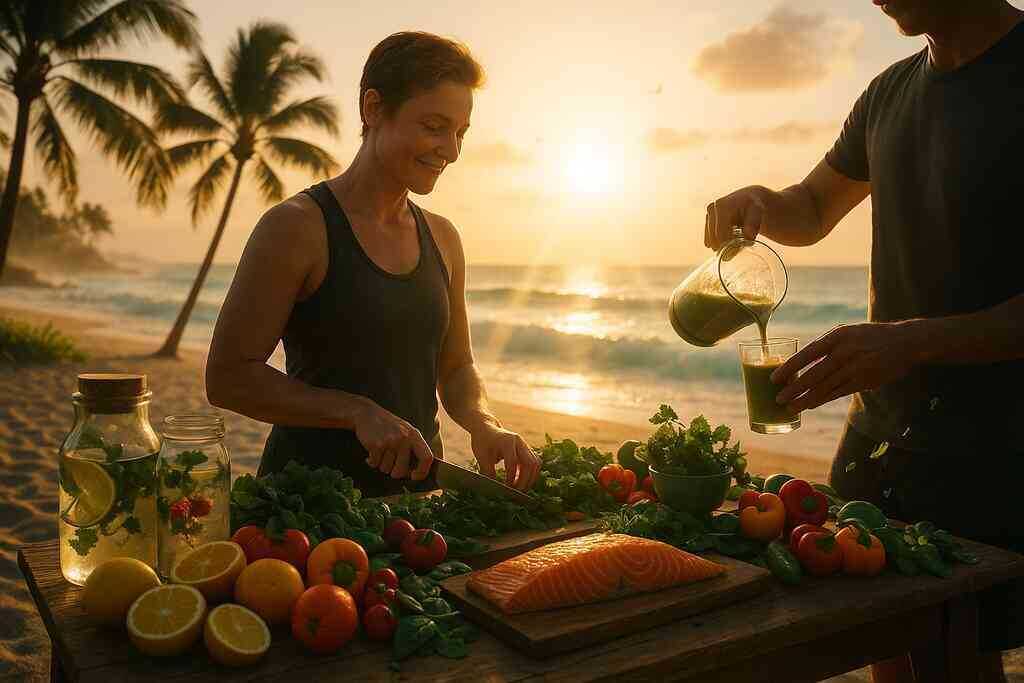
Food-First Recovery: How Targeted Nutrition Strengthens Delray Beach IOP Care
Modern addiction medicine recognises that brain chemistry, mood, and cravings all lean on the nutrients we eat every day. Yet in many intensive outpatient programs (IOPs) the meal plan is an after-thought. Below is a practical look at how a structured nutrition blueprint can turn outpatient therapy in Delray Beach into a fully integrated mind-and-body reset.
Why Food Often Feels Like the “Missing Link”
- Alcohol, opioids, and stimulants deplete B-vitamins, magnesium, zinc, and amino acids essential for dopamine and serotonin production.
- Erratic blood-sugar swings trigger the same stress pathways that drive drug seeking.
- Without nutrition coaching, clients may leave group therapy motivated yet physically under-fuelled—making relapse more likely during the first stressful week back at work or school.
A food-focused curriculum narrows that gap. Clients learn how meals, snacks, and supplements can quiet cravings faster than white-knuckle willpower alone.
The Three-Phase Nutrition Roadmap
1. Repletion After Detox
- Baseline micronutrient testing highlights individual shortages.
- A 30-day repletion plan layers in magnesium-rich greens, B-vitamin complex, and protein shakes fortified with L-glutamine for gut lining repair.
- Clear symptom tracking (sleep hours, energy, digestive comfort) proves early wins and encourages adherence.
2. Gut Restoration
- Fermented vegetables, kefir, and fibre-dense legumes re-seed a microbiome damaged by long-term substance use or poor diet.
- Anti-inflammatory omega-3 fats (wild salmon, chia, walnuts) calm the intestinal barrier, indirectly easing anxiety.
- Mineral broths and adequate hydration reduce the constipation and reflux often reported during early recovery.
3. Sustainable Lifestyle Skills
- Culinary therapy sessions teach knife skills, meal-prep timing, and budget shopping—turning “healthy eating” from theory into muscle memory.
- Clients set SMART goals such as cooking three balanced dinners a week or swapping energy drinks for green tea.
- Graduates leave with a pocket recipe library, a preferred-foods grocery list, and confidence to navigate social events without triggering foods or drinks.
Personalising the Plate: Beyond a One-Size-Fits-All Menu
Delray Beach serves a culturally diverse population. Respecting personal history, faith, and family traditions is non-negotiable. Dietitians therefore build menus around:
- Ancestral staples (plantains, lentils, sweet potato) rather than unfamiliar “superfoods.”
- Faith-based guidelines such as kosher or halal protein sourcing.
- Work schedules that may call for batch cooking and portable lunches.
When clients feel seen, they engage. Engagement drives consistency, and consistency is the real secret to biochemical change.
Integrating Nutrition With Therapy and Medication
Weekly multidisciplinary meetings keep every provider on the same page. A therapist may note heightened anxiety during trauma work; the dietitian responds by bumping evening magnesium or recommending a calming chamomile-lavender latte after group. If a psychiatric nurse adds an SSRI, the nutrition team watches for appetite changes and adjusts fibre or probiotic intake to offset digestive side-effects. This tight feedback loop speeds stabilisation and lowers the risk of self-medicating with food or substances.
Mindfulness on the Fork
Every breakfast doubles as a short grounding exercise: notice colour, aroma, first bite. Paired breathwork nudges the nervous system out of fight-or-flight before morning sessions start. Over time, clients report that mindful eating becomes a portable coping tool they can use at restaurants, family dinners, or even during high-pressure meetings.
Local Sourcing: A Farm-to-Recovery Model
South Florida’s year-round growing season allows weekly deliveries of citrus, greens, and tropical fruit. Visiting the farmers’ market gives clients a low-risk community outing where they practice sober social interaction while selecting ingredients for the next class. Environmental stewardship discussions—composting, reducing single-use plastics—offer added purpose and reinforce self-worth.
Frequently Asked Questions
How quickly can nutrition affect cravings?
Some clients notice fewer alcohol or sugar urges within seven days of stabilising blood sugar and magnesium. Deeper neurotransmitter repair usually emerges over four to eight weeks.
Do I have to cook elaborate meals?
No. Most recipes use five to seven whole-food ingredients and ordinary kitchen equipment. Convenience is built in because unrealistic plans do not survive real life.
What if I have food allergies?
Menus are custom. Gluten-free, dairy-free, and low-histamine templates are all available.
Simple Daily Framework
- Protein at every meal (eggs, beans, fish) to steady dopamine.
- Colour rule: aim for three different coloured plant foods by lunch, five by dinner.
- Hydration check: half body-weight in ounces of water, plus electrolytes during hot Florida afternoons.
- Wind-down snack: kiwi or tart cherry for natural melatonin 60 minutes before bed.
Takeaway
In 2026, holistic care is no longer optional. Targeted nutrition transforms Delray Beach intensive outpatient programs from talk-only interventions into full-spectrum wellness pathways. By repairing nutrient gaps, calming the gut-brain axis, and teaching practical kitchen skills, clients gain a biochemical safety net that makes psychological tools stick. Recovery becomes less about constant vigilance and more about living in a body that finally feels balanced.
For anyone evaluating outpatient options, ask how the program supports micronutrient testing, real-food education, and ongoing meal-plan coaching. When those pieces are in place, the journey out of addiction can move faster, feel steadier, and build habits that last well beyond discharge.
Top Nutrition at Delray Beach Intensive Outpatient Programs


Comments
Post a Comment